
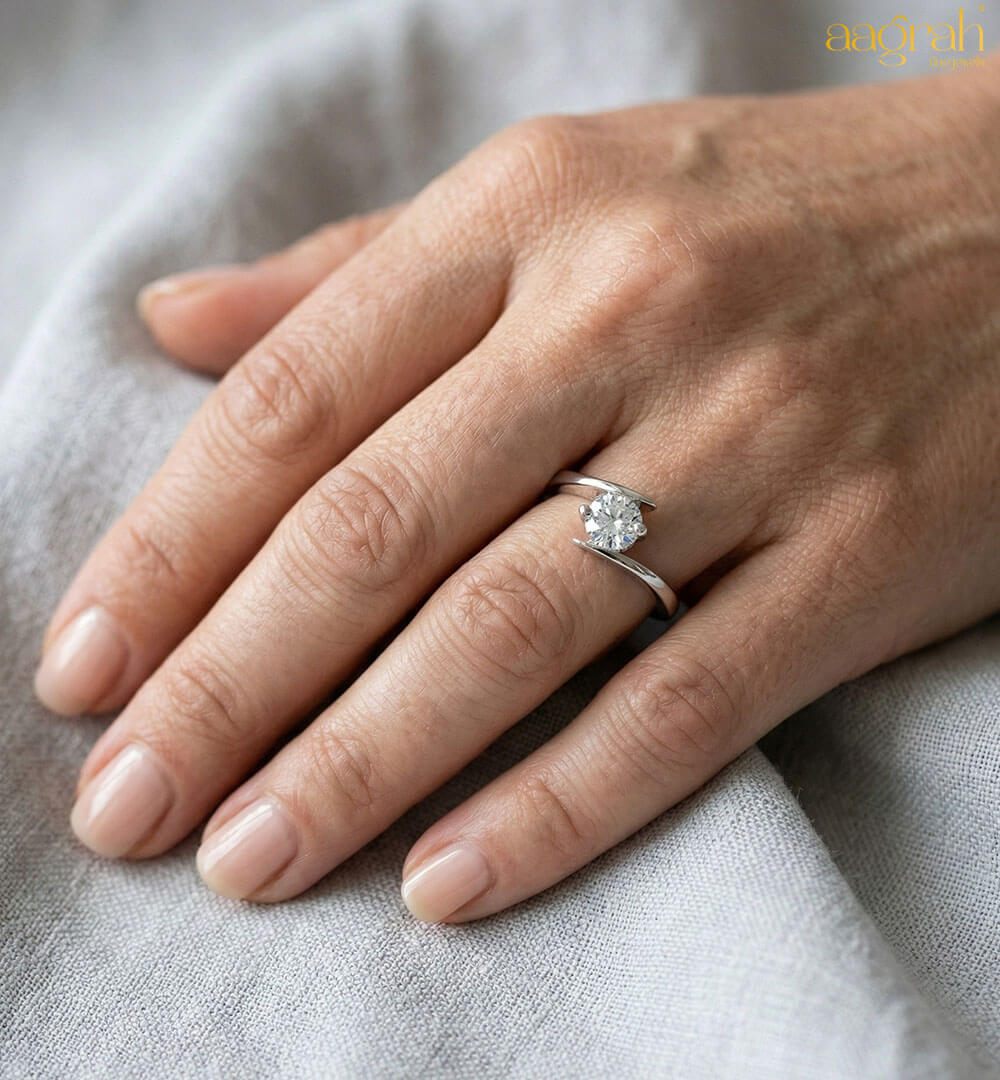
From Aagrah’s collection
Tell your older sister which study moment you still remember: the fees she helped with, the lesson after work or the message before an exam. Then choose a meal or present she has been looking forward to. This is a thank-you for her care, not a calculation of what you owe.
Tell her which part you still remember
“Thank you for everything” is true, but it leaves out the details she may not realise stayed with you. Write down three things before you shop:
- What she did: “You came home from work and helped me practise my presentation.”
- What it changed: “By the next morning, I knew how to explain the opening without reading every word.”
- What you remember about her: “You listened to the same paragraph six times and still asked me to try once more.”
Choose the strongest memory for your letter. You don't need to list every favour or fit your entire education into one card. If money was part of her support, you can say, “Knowing my fees were covered meant I could stay on the course.” Write the amount only if it matters to what you want to say.
Mention the fees, revision session or encouraging message you remember, then explain how it helped.
Describe what she did, how it helped and why you still remember it.
Choose a book, outing or personal treat she has wanted, and give it with your thank-you letter.
A letter you can make your own
This example imagines a sister who helped with studies and travel. Replace those details with what happened between you.
Didi, I still remember you sitting at the dining table after work, listening while I tried to explain my project. I was tired of it, and you somehow found another question to help me get it straight. You also checked the train tickets, the forms and all the small things I was afraid of getting wrong. Thank you for making it feel less overwhelming. I wanted you to know how much your help meant to me.
If you are still studying, you don't have to wait for a result:
I wanted to tell you this before the exams, rather than saving it for a good mark. Your help has already made a difference. I'm keeping up with the classes, and the plan we made is helping me finish the work. Thank you for making time for me and for being someone I can ask when I'm stuck.
Choose something she has been looking forward to
Once you know what you want to thank her for, think about what she enjoys now. Perhaps she has been talking about a play, a pottery workshop or replacing a bag whose zip keeps sticking. The present can be about her life today, even if the letter looks back at yours.
For an experience, ask which date works before booking. If you are inviting her to dinner, choose somewhere she wants to try and take care of the reservation and journey. If her favourite way to spend an evening is at home, cook the meal you know she likes and do the clearing up too.
A gift for a hobby needs a little more detail. A reader might want a particular translation rather than any edition of a novel. Someone who paints may prefer a specific kind of paper to a large beginner's kit. Ask one direct question: “I'd love to get something for your painting. Is there a paper or colour you've been wanting?”
A thank-you gift on your first salary
Suppose you have started work and want to take your sister out with your first salary. Choose an amount you can spend after your immediate bills and agreed commitments. Then plan a complete evening within it: the meal, travel and any small present. You can say, “I want to take you out to celebrate. You helped me get here, and I'd love to make this evening my treat.”
If she says the letter is enough, believe her. You can still spend time together. A handmade card and her favourite home-cooked meal are a thoughtful choice when money is tight, and you can give them before a first salary or graduation day arrives.
If you already have an arrangement to repay money she lent you, keep that conversation clear and separate. Make the agreed payment as planned; the card can thank her for helping you when you needed it. A surprise gift needn't complicate an arrangement you both understand.
Include a small piece of the story
You might have a photograph from your first day at college, the page where she helped you plan an essay or a message she sent before an exam. Make a copy and place it with the letter. Add a sentence explaining why you kept it.
Choose something she will recognise without a long explanation. For example: “You sent this while I was waiting outside the interview room. I read it again before I went in.” If all your records are digital, printing one message can be enough. A whole scrapbook is optional.
If she enjoys choosing jewellery
After you have written the letter, a piece in her usual style could be a lovely gift to give over your meal. Think about what she actually wears: a small ring every day, a pendant with work clothes or something more noticeable when she goes out. Tell her the real reason you chose it, such as, “You showed me a similar design last month, and I remembered.”
If she likes simple silver-coloured rings, the Aurora Silver-Plated Solitaire Ring is one design to look at together. Compare its stated size or adjustment range with her finger measurement, and read the current material and care details. A design she likes still needs to fit. If you are unsure whether she prefers gold-coloured or silver-coloured pieces, compare the jewellery she already wears before making a shortlist.

Aurora Silver-Plated Solitaire Ring
Check this design’s dimensions, materials and current price.
See the design & details →Start with the sentence you've wanted to say
Write three or four honest lines about that moment. Give the note when you can sit and talk together.


