From Aagrah’s collection
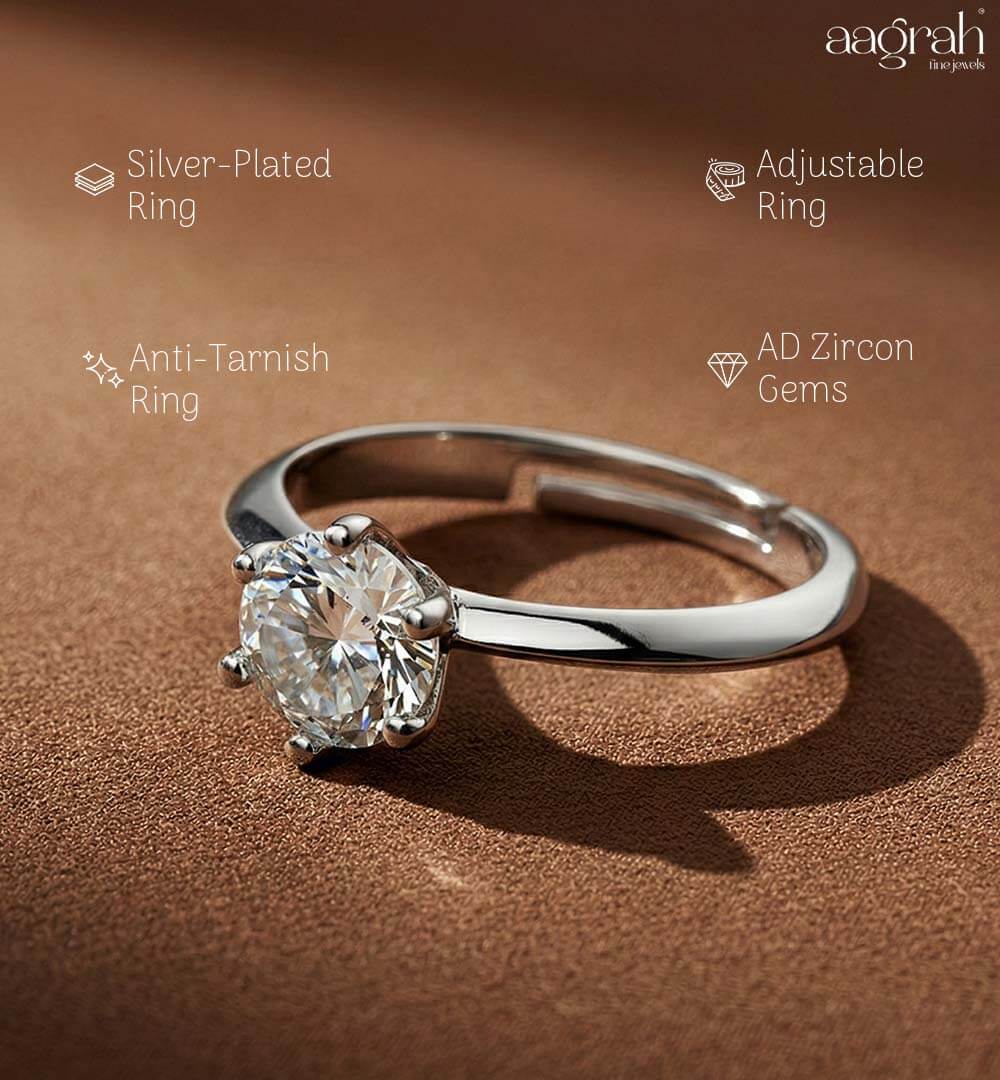
“American diamond” or “AD” is a shop label, so ask for the stone’s actual name. If it is cubic zirconia, it is CZ—not a natural or lab-grown diamond. Once the material is clear, compare the design, setting, metal and size rather than the label alone.
A useful listing should name the stone in its material details. If it only says “American diamond”, the question below will help you get a clearer answer.
Ask one question before comparing the pieces
“Is the stone in this piece cubic zirconia, laboratory-grown diamond, glass or another named material?”
Ask about the exact item, not just the seller's collection in general. A clear answer lets you decide what to compare next:
| Answer | What to compare next |
|---|---|
| Cubic zirconia | Design, dimensions, setting, base metal and finish |
| Glass or another named imitation material | That material's description and the complete construction |
| Laboratory-grown diamond | The diamond specification and any relevant identification or grading documentation |
| Only “premium AD” | Ask for the stone material before treating the description as complete |
On a small screen, swipe the table sideways to see every column.
“Is the stone in this piece cubic zirconia, laboratory-grown diamond, glass or another named material?”
GIA distinguishes diamond imitations, including cubic zirconia, from laboratory-grown diamonds.
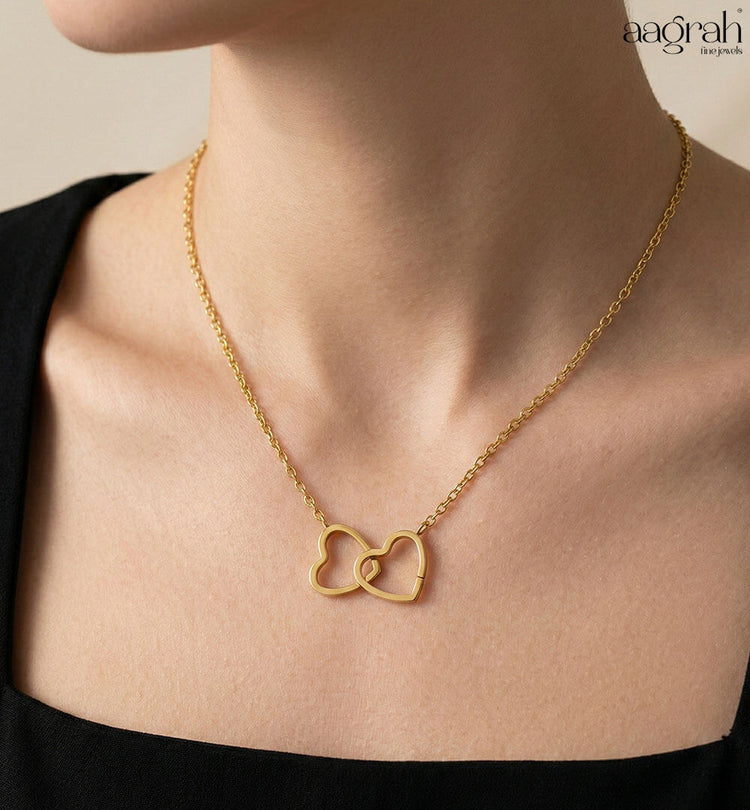
Use photographs to judge shape, apparent scale and how the design sits when worn.
CZ is not laboratory-grown diamond
GIA distinguishes diamond imitations, including cubic zirconia, from laboratory-grown diamonds. A lookalike can resemble diamond while being a different material. GIA's diamond explanation is useful if a listing combines words such as “lab,” “diamond” and “simulated.”
Read the complete phrase. “Simulated diamond” and “laboratory-grown diamond” should not be treated as interchangeable descriptions. If the seller says diamond, ask which kind; if the seller says a simulant, ask which material.
Similarly, do not use the word “American” in a product title as proof of where it was made. Check the stated country of origin separately if that matters to you.
A photograph helps with style, not proof of identity
Use photographs to judge shape, apparent scale and how the design sits when worn. A sparkle video cannot replace the missing material description.
Avoid trying to settle the question by scratching a stone or its setting. If you need a conclusive identification of an item you already own, ask a qualified gemmologist what assessment is appropriate. For a new purchase, obtain a consistent written description before ordering.
Compare the whole item once the stone is named
Imagine two pairs of CZ earrings: one has a larger drop and the other sits close to the ear. That difference may matter more to you than their different retail labels. Check the actual measurements, the weight of each earring, the fastening and the metal that touches the ear.
For a ring, compare the setting height, band and intended size. The CZ guide explains these checks. A clear material name still leaves room for meaningful differences in design and workmanship.
Keep the description clear when giving it
If she has chosen a fashion-jewellery design, you can describe it by its confirmed stone and metal. If she asked for a diamond specifically, discuss a different material with her first.
Before buying, read the product title, detailed specification and seller's reply together. If they conflict, ask for the final description in one sentence. Once you know what the stone is, you can choose for the design and fit without relying on the most impressive-sounding label.