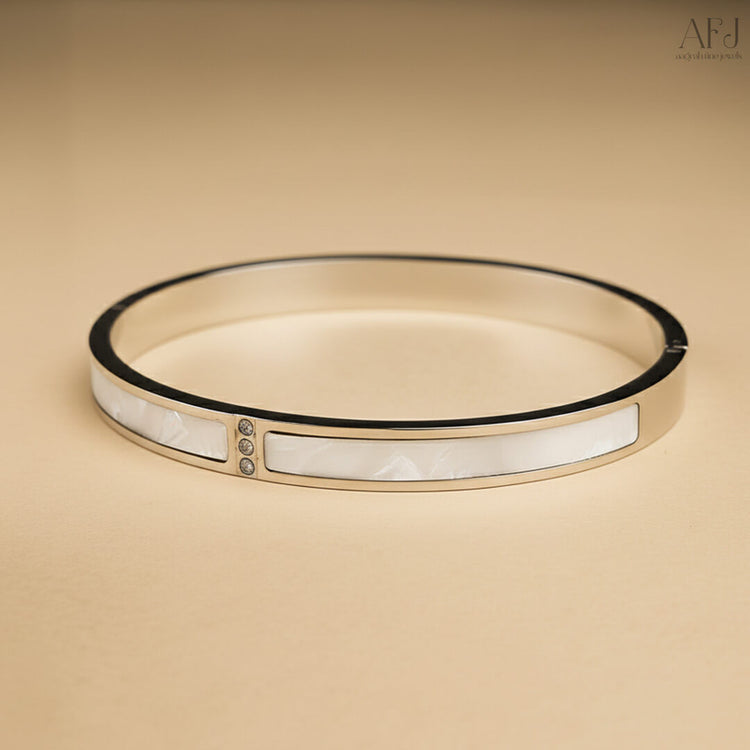
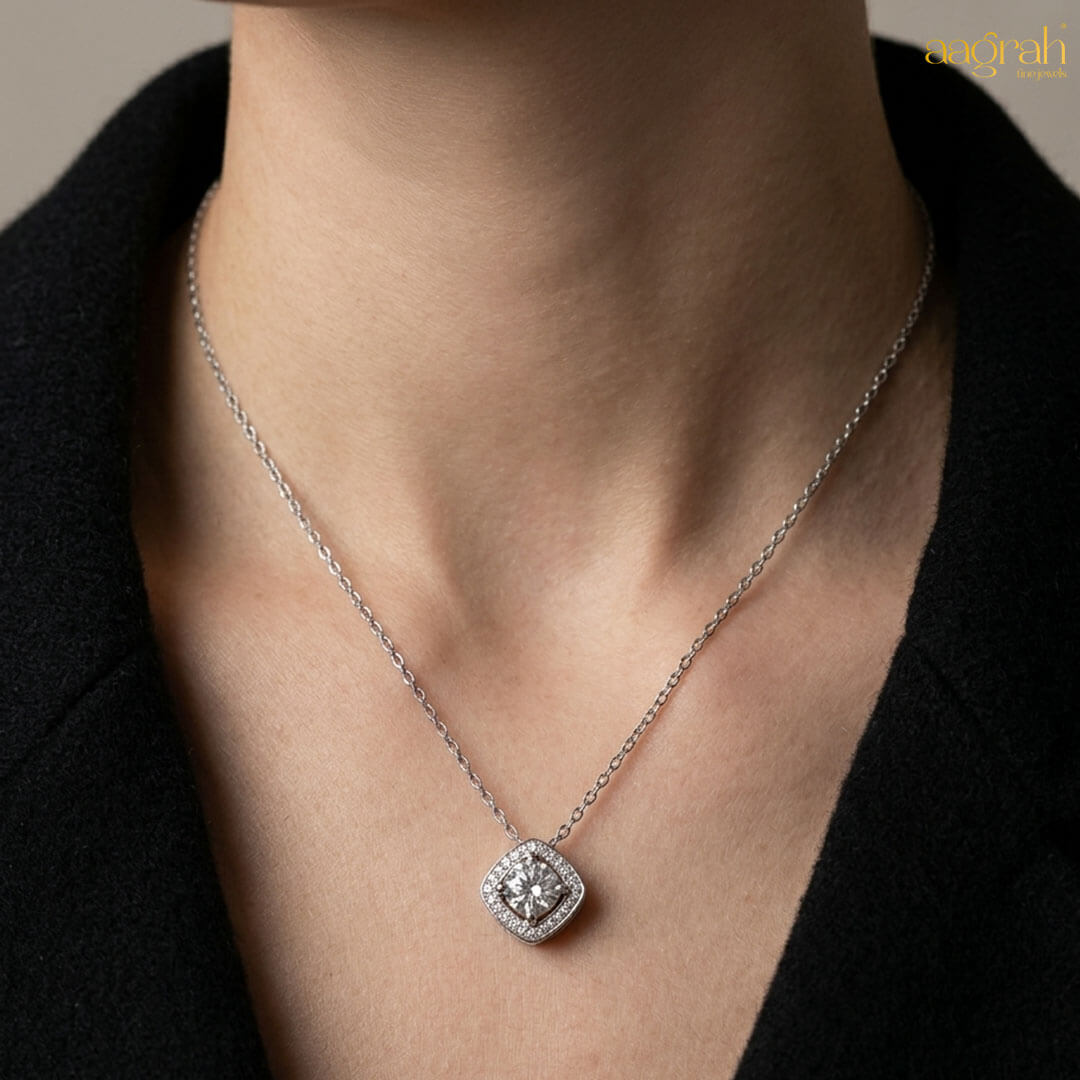
From Aagrah’s collection
Start with one recent clue: something she mentioned wanting, an interest she spends time on or a moment you have shared. Set your budget, shortlist two or three real options and ask one specific question if you are unsure. A gift she has asked for can still feel personal when you explain why you remembered.
A worked example: choosing a birthday gift for your sister
Imagine your sister has started embroidering tote bags at the weekend. She has also mentioned wanting a particular novel. You are meeting for lunch before she takes a train home.
| Candidate | What you know | What you still need to check | Decision |
|---|---|---|---|
| The novel she mentioned | She wants to read it; it is easy to carry | Exact title, language and whether she has bought it | Strong option once confirmed |
| A large framed floral print | She likes embroidering flowers, but that tells you little about her taste in wall art | Whether she likes the print or has room for it | Leave it out of this shortlist; it is also awkward for her journey |
| Embroidery thread | She uses it often | Brand, type and colours she currently needs | Ask for the exact item before buying |
On a small screen, swipe the table sideways to see every column.
In this example, she confirms that she has not bought the novel and gives you the edition. Choose it. You can write a note about the conversations you have had around her reading, instead of adding several unrelated extras to make the gift feel bigger.
If she says she would rather spend time together, use the budget for an outing she wants and choose a date before making a booking.
Imagine your sister has started embroidering tote bags at the weekend.
“What do you want?” can be difficult to answer on the spot.
Compare a requested item, something for her interests and a keepsake from your time together.
Write down the limits before the ideas
Start with these four lines:
- Who is it for, and what is the occasion? For example: my sister's birthday.
- When and where will I give it? At lunch on Sunday, before she travels home.
- What is my total budget? Include wrapping, travel or delivery as applicable.
- What has she mentioned or enjoyed recently? Write the actual detail, even if it seems small.
The Sunday lunch tells you that a large, fragile object may be awkward for the train journey afterwards. The budget tells you what you can spend on the item after any other costs. These details can rule out unsuitable ideas before you become attached to them.
Ask one question she can answer easily
“What do you want?” can be difficult to answer on the spot. Offer two directions or ask about a particular interest instead:
- “Would you enjoy something to keep, or shall we plan an afternoon out?”
- “Which book did you say you wanted to read next?”
- “Is there anything you need for your embroidery? Send me the exact one.”
- “Would you like to choose a necklace together, or would you prefer a surprise in another category?”
If she sends a link, confirm the size, colour or edition she wants. Keep it saved while you shop. Choosing the exact requested version is a perfectly good gift; the note can still be a surprise.
If she says she wants nothing, clarify the celebration instead: “Would you like lunch together, or would you rather keep the day free?” Our guide to when she says she wants nothing explores that conversation.
Use what you know to choose three actual options
Try one option from each direction that suits her:
Something she has asked for. An exact title, a named tool or the accessory she showed you. Check that she has not bought it since mentioning it.
Something for an interest she already enjoys. A familiar supply, a class she has chosen or an outing connected to it. Find out the specifications or dates before paying.
Something from your time together. A small photo collection, a letter or a return to a place you both enjoyed. Add a detail that explains why you remember it.
You do not need to fill all three categories. Two good options are enough; you do not have to invent a third.
Check the details that could change your choice
Before paying, make sure you can answer the questions relevant to the gift:
- Book: correct title, author, language and edition?
- Hobby item: exact type she uses, rather than something that only looks similar?
- Experience: activity she wants, a date she can attend and any travel costs?
- Jewellery: style she wears, suitable measurements, clearly stated materials and care?
- Photo gift: a picture she likes and a size she can display or store?
If one important detail is missing, ask for it. If you cannot find out in time, choose the option whose details you do know. For a fixed birthday budget, the ₹1,000 gift-choice guide adds a worked cost comparison.
Explain the choice in the note
Write why this particular gift made you think of her. For the sister in the example, you might say:
You told me about this book during our last call, just before we got distracted discussing the ending of the one you'd finished. I remembered how keen you were to read it. I hope it makes good company on the train home. Call me when you finish—I want your full review, including the parts you disagreed with.
Change the memory to your own. If the present is jewellery, our gift-note examples show how to connect the design to a personal reason.
Choose the next small step now: ask the question, confirm the edition or check the date. Once you have a gift you know she wants and can give it within your budget, you can stop searching and get it ready for her.