
From Aagrah’s collection
For a keepsake from your first solo trip, choose one moment you want to remember: a photograph, a meal or the first place you explored on your own. Write a few lines about it. The photograph and note can be the whole keepsake; buying another object is optional.
Write down the part your photographs won't explain
At the end of a day you enjoyed, record where you were, what you did and what made it memorable. A short note on your phone or a voice recording will work. Include the ordinary details you might otherwise forget.
For example, a photograph may show a museum courtyard. Your note can remember that you had planned to leave after an hour, then found a room you wanted to explore slowly and stayed until lunch. That choice is part of the memory, even if nobody else can see it in the image.
When you're home, you can turn the note into a caption, a page in a journal or a card kept with an object. You don't have to write the polished version while sitting on a train with a bag on your knees.
One photograph with a proper caption · A travel notebook you finish after coming home · A small object linked to somewhere you spent time
Look at the material description, size, length and fastening before choosing.
Choose the photograph, print the caption or put the object where you will use it.
A note that brings the day back
Write the thing that happened and what you enjoyed about it. You can keep the note with a photograph, notebook or chosen piece. This example is an imagined first-trip memory:
On the second morning, I changed the plan and stayed at the museum until lunchtime. I sat in the courtyard afterwards, wrote a few lines and watched everyone coming and going. I liked having the time to decide what to do next.
If your favourite memory is funny, let the note be funny. You might remember ordering far too much breakfast or repeatedly walking past the same turning. It does not have to sound like a travel essay to bring the day back.
Choose a keepsake you can see yourself using or keeping
One photograph with a proper caption
Choose a picture that brings back the day, even if it isn't the most dramatic image you took. A breakfast table, your notebook on a bench or a view from a bus window may hold more of your experience than a standard landmark photograph.
Print it in a size that fits where you want to keep it. Add the place, date and two or three lines about what happened. A single print in a journal or beside your desk is easier to enjoy than hundreds of images you never sort.
A travel notebook you finish after coming home
Give the trip a few pages rather than trying to document every hour. You could use three headings: the first day, the day you would repeat and the thing you were glad you tried.
Add a sketch, a map you drew or the name of a dish you want to make again. Leave room for a memory that returns later. If you bought a notebook on the trip, keep using it; the remaining pages don't have to stay empty to preserve the occasion.
A small object linked to somewhere you spent time
A cup, a bookmark, a textile item or a small artwork can work if you actually like it. Think about where it will go at home before buying. A cup you'll use for weekend tea has a different place in your life from a large decorative object with nowhere to sit.
If you want a locally made piece, ask the seller where it was made and by whom. A souvenir sold in a place is not necessarily made there. For a fragile item, arrange suitable packing and make sure it fits with the luggage you already have.
Jewellery you would choose even without the trip
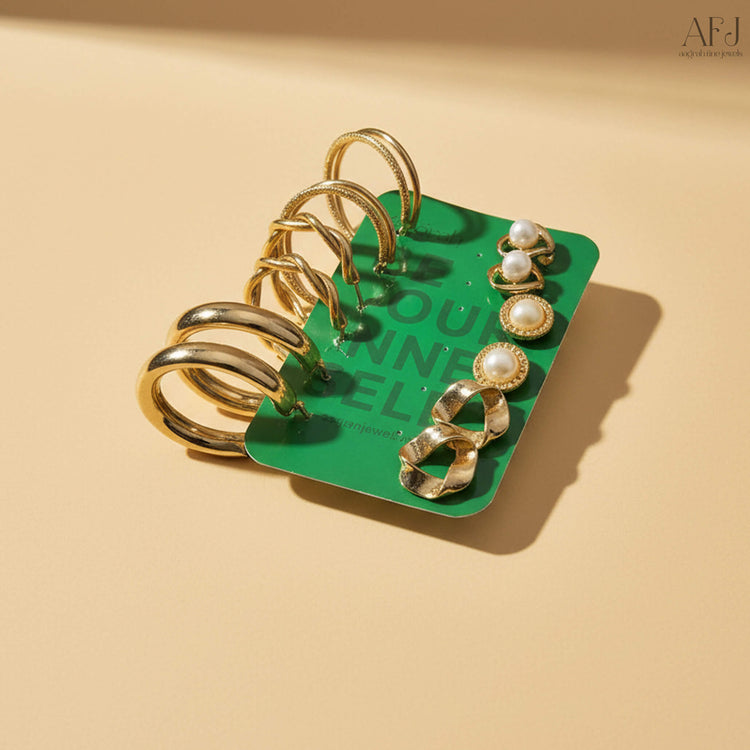
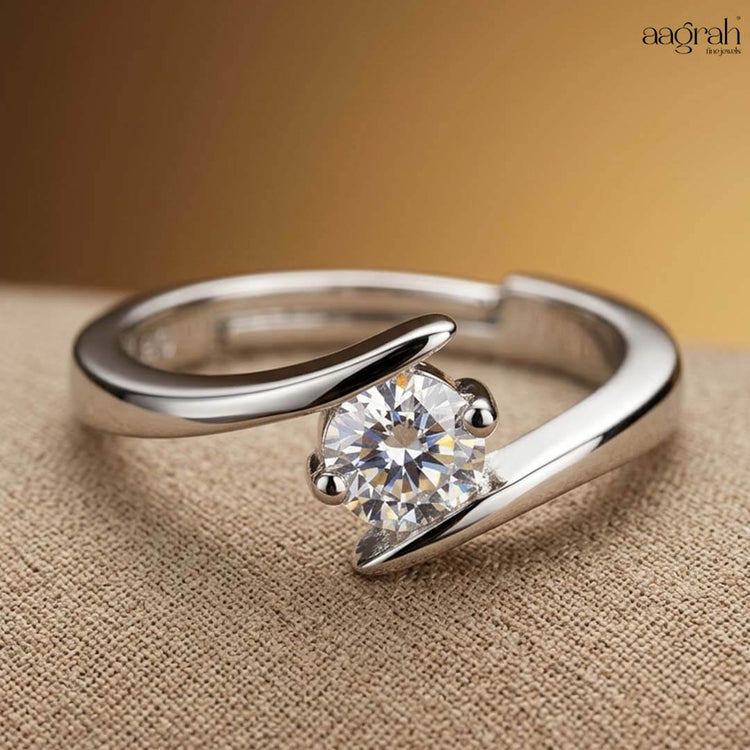
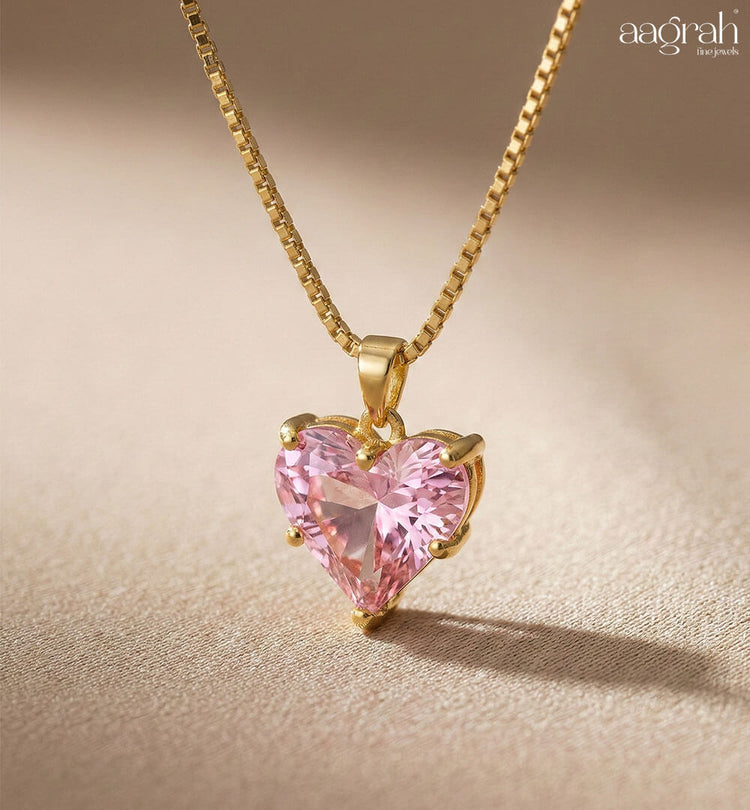
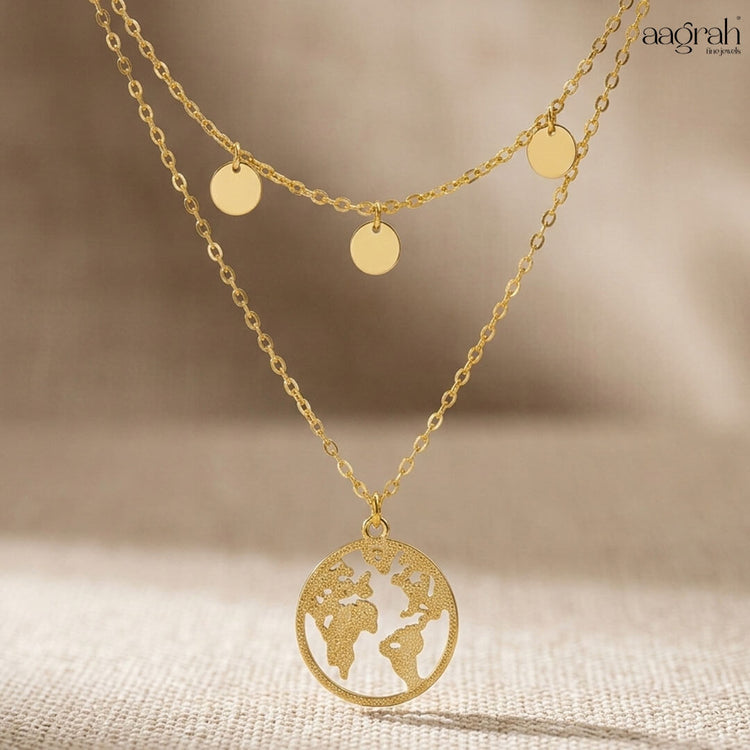
A piece you enjoy wearing can carry a travel memory, whether you choose it while away or after coming home. Start with the design and fit you like. A trip doesn't require a landmark charm if you would never wear one.
You might have noticed a shape or colour repeatedly during the journey and want a piece that reminds you of it. Or you might simply choose a necklace after your trip and keep a note about the day beside the box.
Check the size and material if you choose jewellery
Look at the material description, size, length and fastening before choosing. Compare with a piece you already enjoy wearing. If you are still on the trip and cannot find the information you need, you can make the decision later at home.
Read the relevant care instructions for the particular piece. Aagrah's jewellery-care guide is a starting point for caring for Aagrah jewellery; use the actual product's material details when deciding how to look after it.
When you get home, finish one small thing
Choose the photograph, print the caption or put the object where you will use it. Give the keepsake an actual place, so it can remind you of the journey after the travel bag is unpacked.
Choose your memory and write the note while the details are still clear.