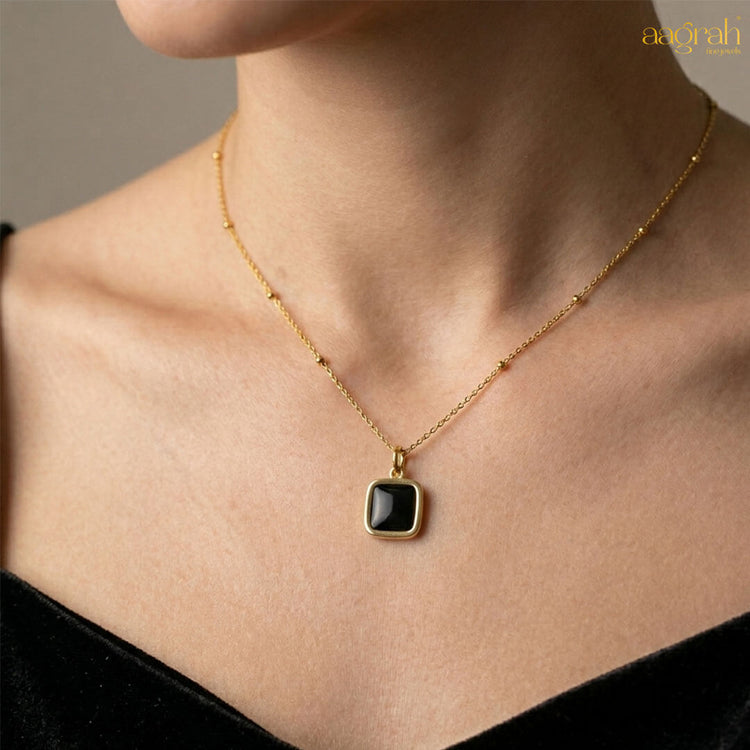
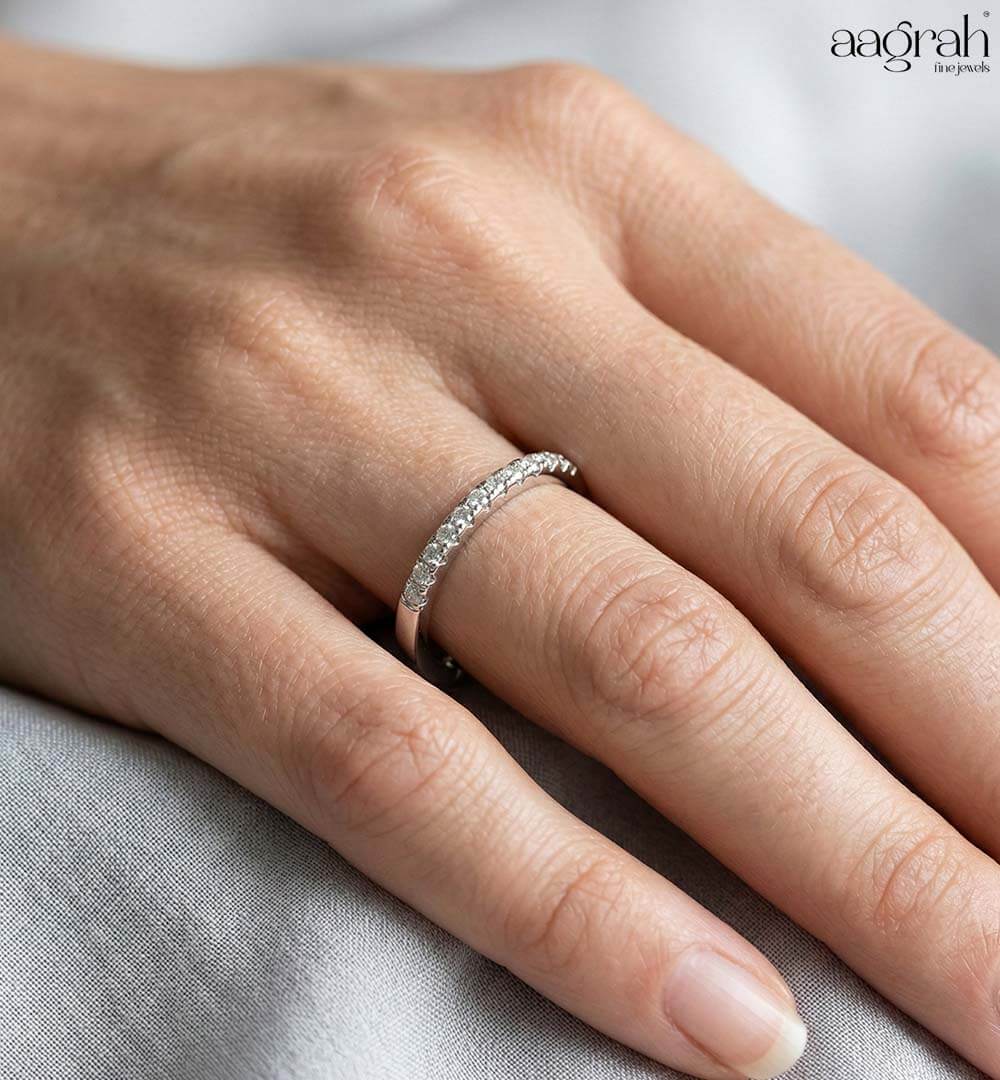
From Aagrah’s collection
Silver can turn black when its surface reacts with substances in the air and forms tarnish. It can happen even while a piece is stored in a box, and it does not automatically mean the silver is fake. Before cleaning, check whether the piece is solid silver, silver plated or deliberately darkened, because each needs different care.
Why a necklace can darken inside its box
A box protects a necklace from being knocked around, but it does not necessarily prevent exposure to tarnishing gases. The box's materials and the air reaching the piece can matter. The Canadian Conservation Institute explains how silver tarnish forms, including why storage does not automatically prevent it.
You may notice yellowish or darker tones before the surface looks black. Do not compare two pieces and conclude that one must be false because it changed sooner. Their materials, finishes and storage may differ.
Equally, turning black does not prove that an unidentified piece contains silver. Use the original specification or seek appropriate testing if the material itself is in doubt.
A box protects a necklace from being knocked around, but it does not necessarily prevent exposure to tarnishing gases.
Sterling silver, silver plating and deliberately darkened designs need different care.
Tarnish removal can remove silver as well.
Check what you are about to clean
| Description of the piece | What matters before treatment |
|---|---|
| Sterling silver | Stones, soldered parts and any additional surface treatment still need to be considered. |
| Silver plated | The silver is an outer layer; aggressive polishing may expose the material underneath. |
| Oxidised or deliberately darkened silver | The dark recesses may be part of the intended design. |
| Silver coloured, with no material stated | Identify the construction before choosing a silver cleaner. |
On a small screen, swipe the table sideways to see every column.
Look at the original photograph too. If the grooves were dark from the beginning, trying to make every part bright may change the design you chose.
Why polishing harder is not the answer
Tarnish removal can remove silver as well. This is especially important for plating, where repeated polishing can use up the thin outer layer. This risk is also explained in the Canadian Conservation Institute’s guidance above.
A plain, uncoated silver object and a plated pendant with decorative stones are different cleaning jobs. Do not use a dip or a household recipe simply because both look silver.
If you have the maker's instructions, follow the method for that exact piece. If not, send a photograph with the material description and ask which product or cloth is suitable. For a plated item, start with the silver-plated jewellery care guide.
Improve the storage before putting it away again
Store the piece only when it is dry, in an individual compartment or suitable pouch. Choose storage specified for the material rather than wrapping it in whatever fabric or packaging is nearby. Keep it away from a damp bathroom shelf.
If you use an anti-tarnish storage product, check its suitability and instructions. It is an aid to storage, not a permanent guarantee against colour change. Check the piece when you take it out to wear it.
Decide whether it is tarnish or a missing finish
A darkened surface and a patch exposing another colour may need different treatment. The surface-change guide can help you describe what you see.
Start by finding the material details, then choose a cleaning method. That small pause is especially worthwhile for a piece you love: removing tarnish carefully is a different task from rubbing until every mark disappears.